
🇩🇿 Algeria
Algeria has reached high human development on the Human Development Index, reflecting long-run progress in health, education and living standards. (UNDP HDI 2025)
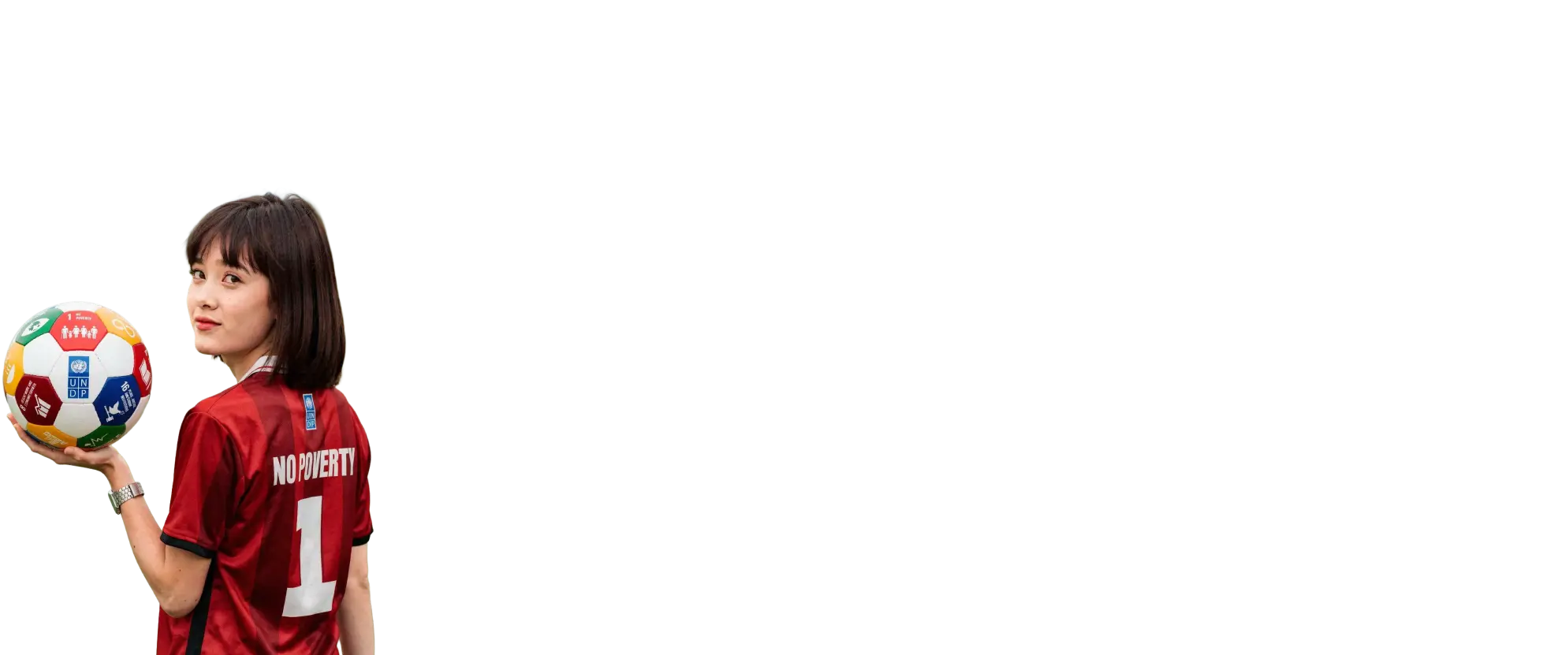



Call it football, call it soccer, the World Cup is here. No matter which team you are on, the ‘beautiful game’ unites and ignites the entire world.
We are 8 billion people, but just one team. On the side of every last one of us thriving on a healthy planet.
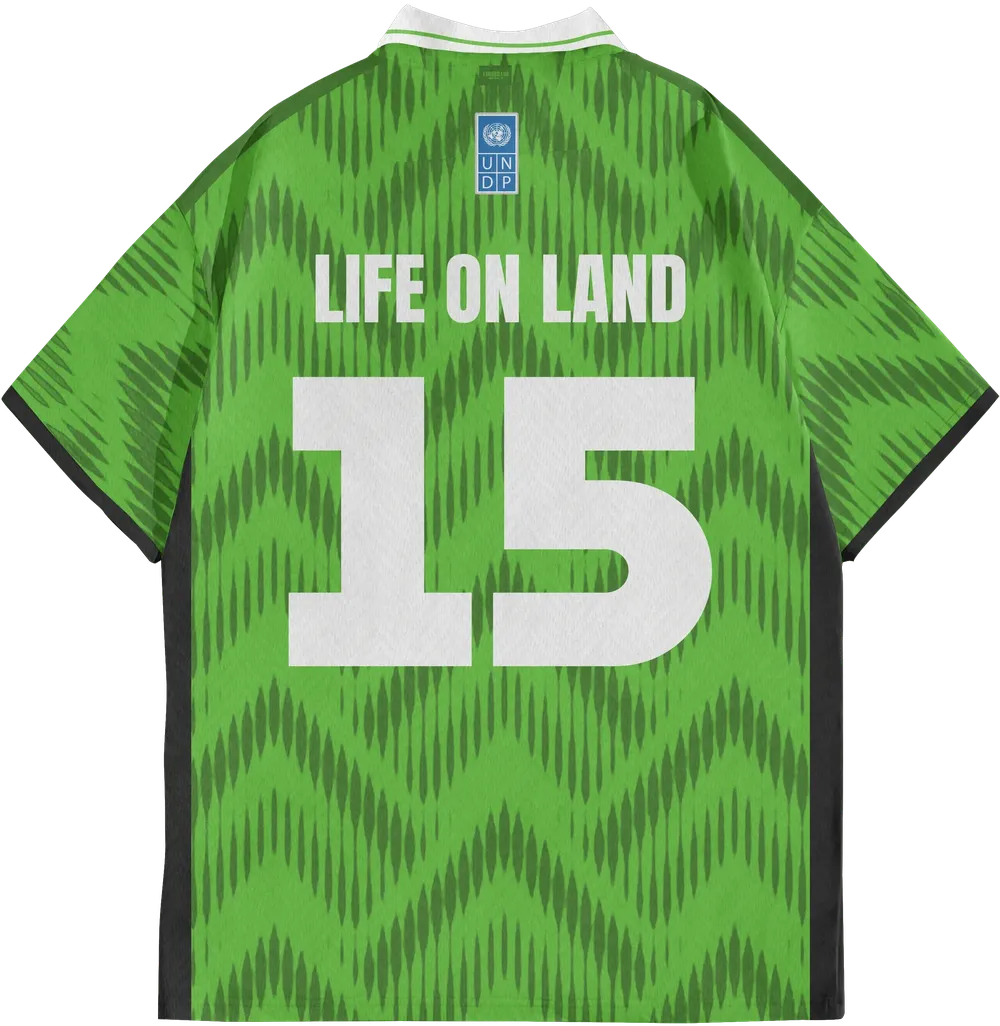
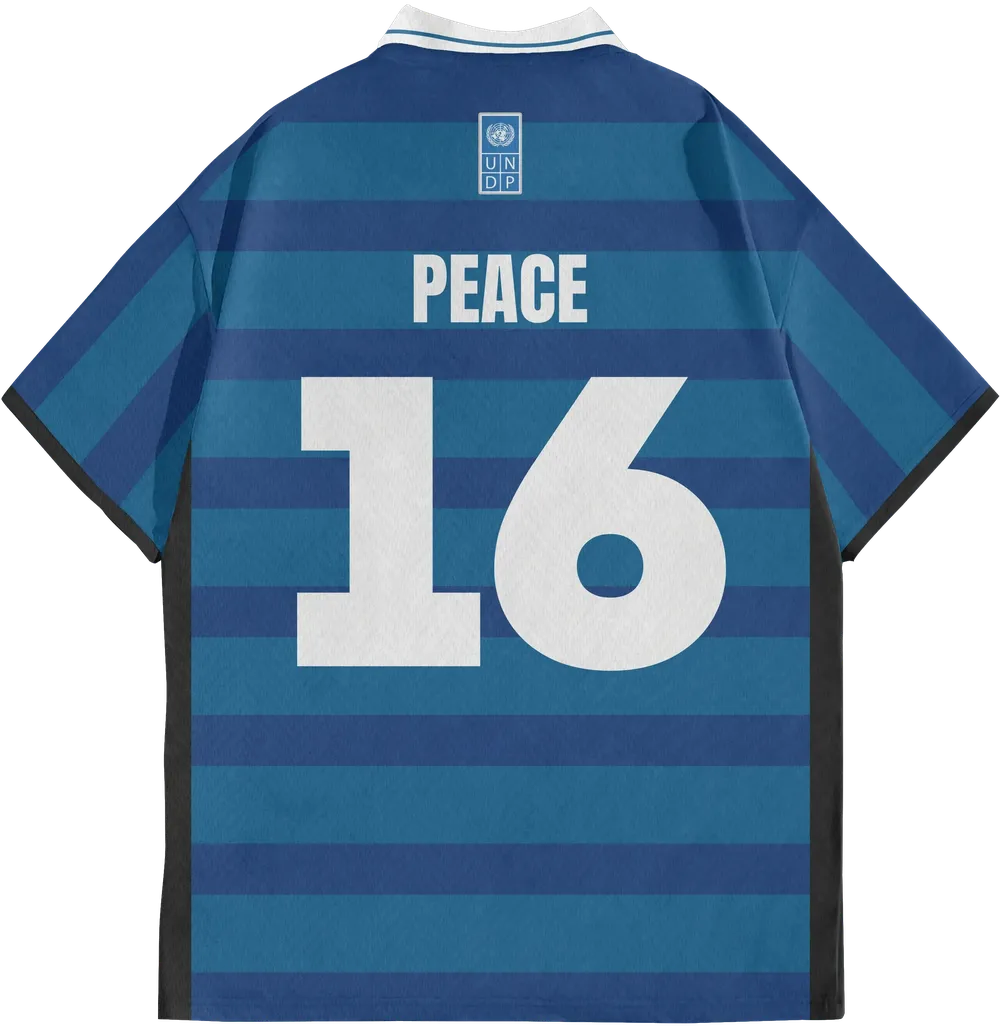

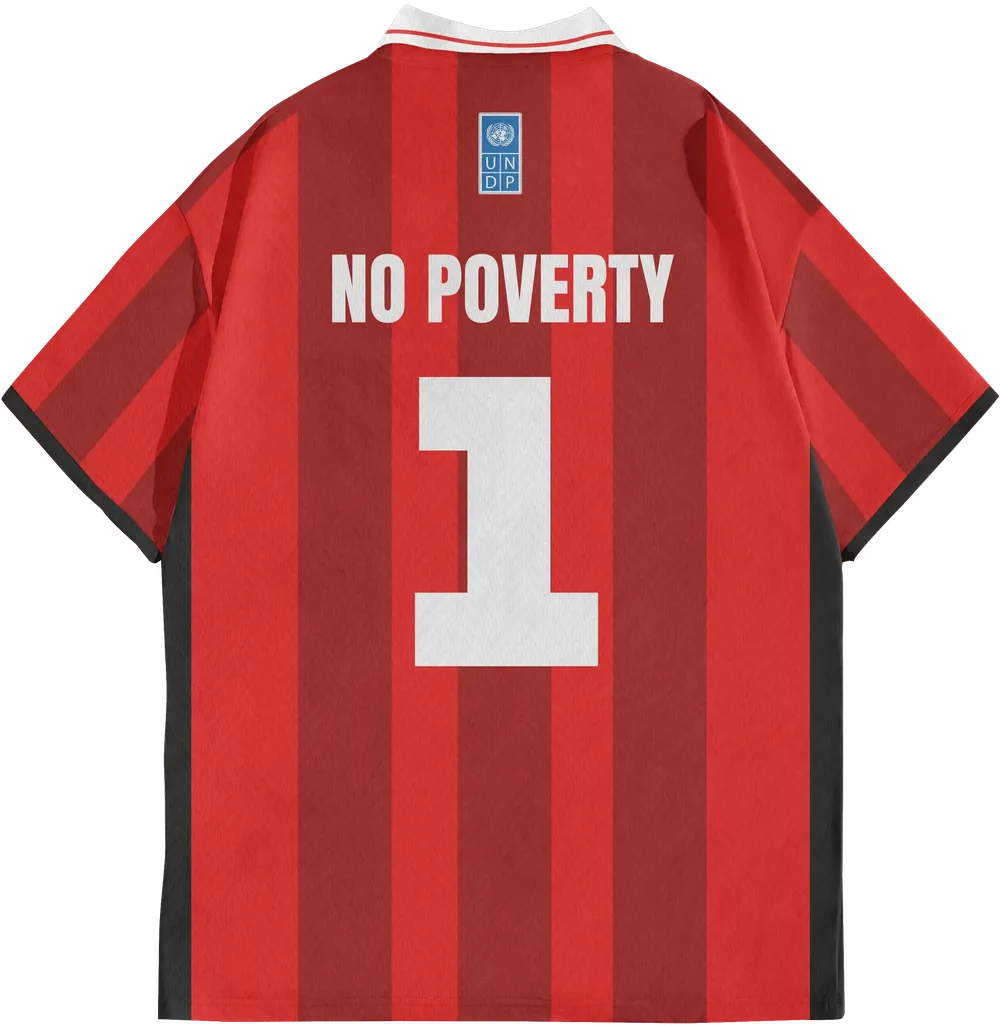
Goals win matches—and futures. Team SDGs United pledges to unite the world around the Global Goals.
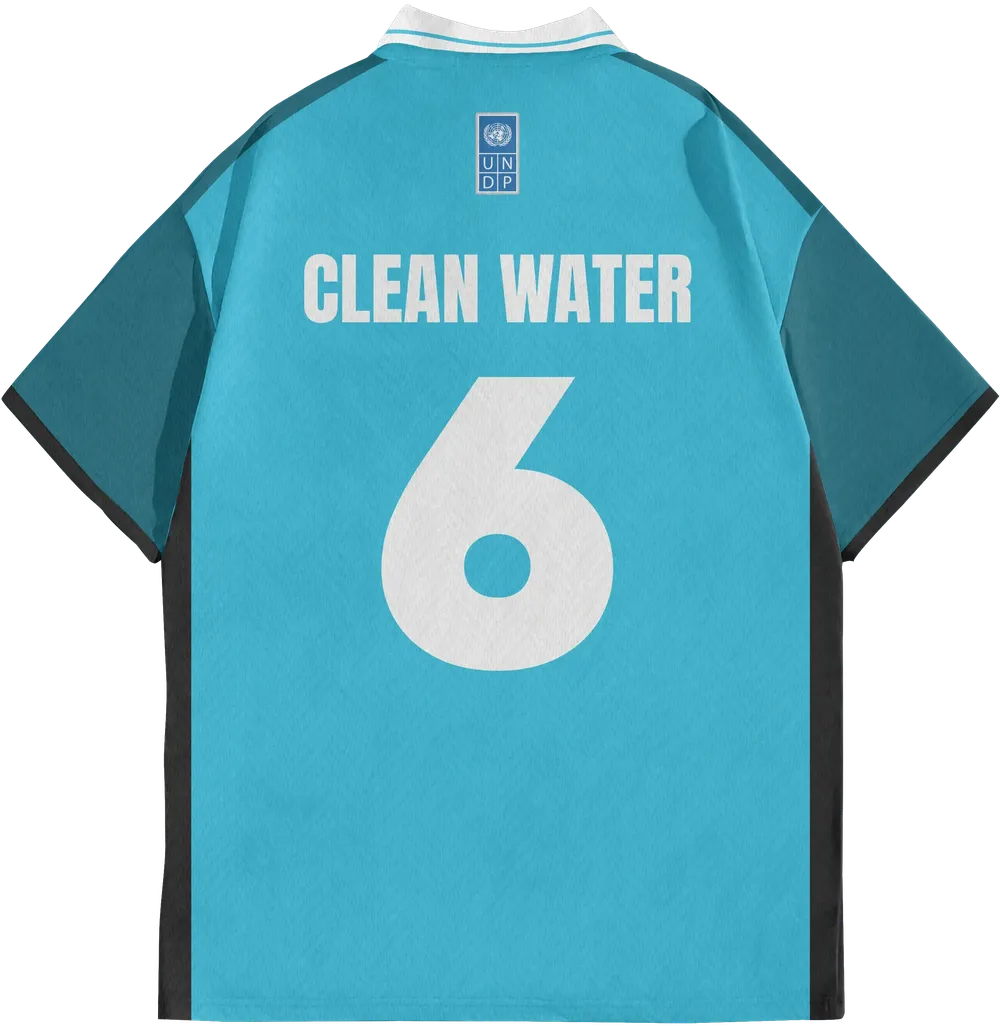
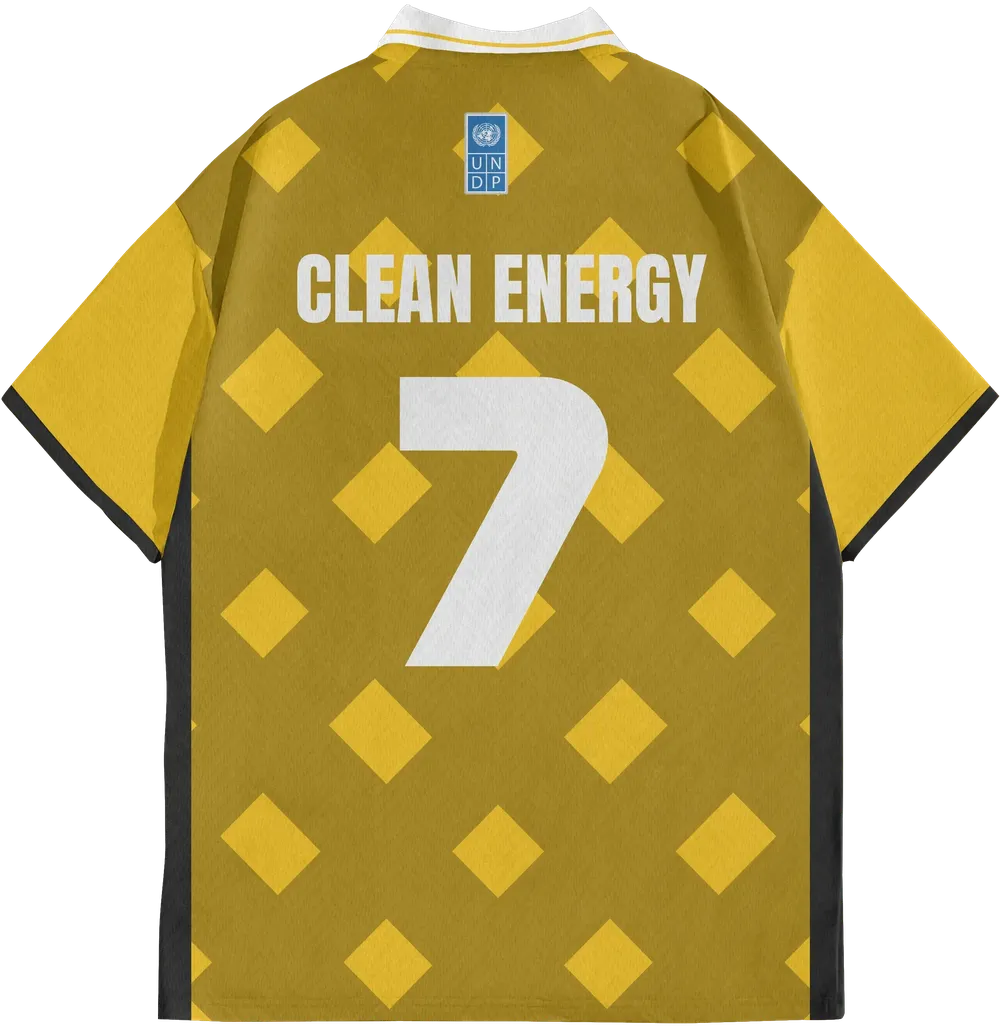
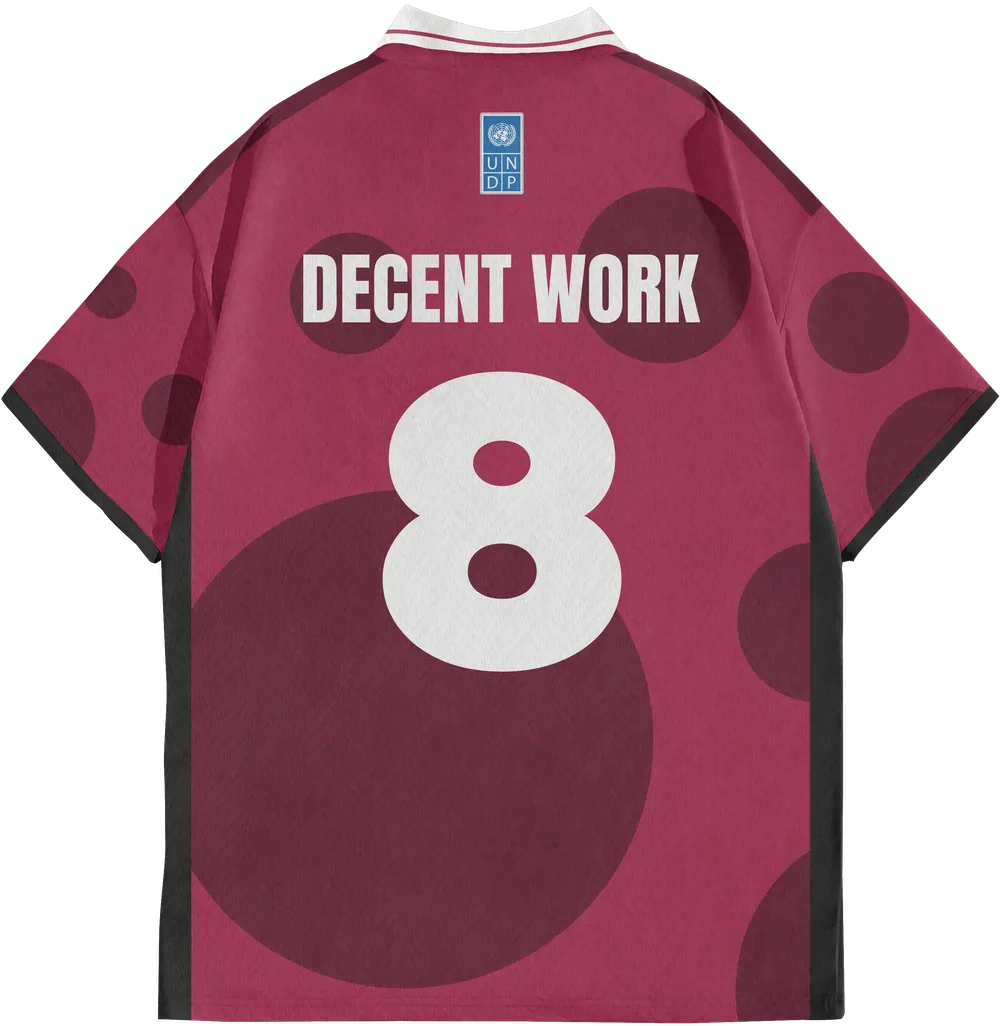
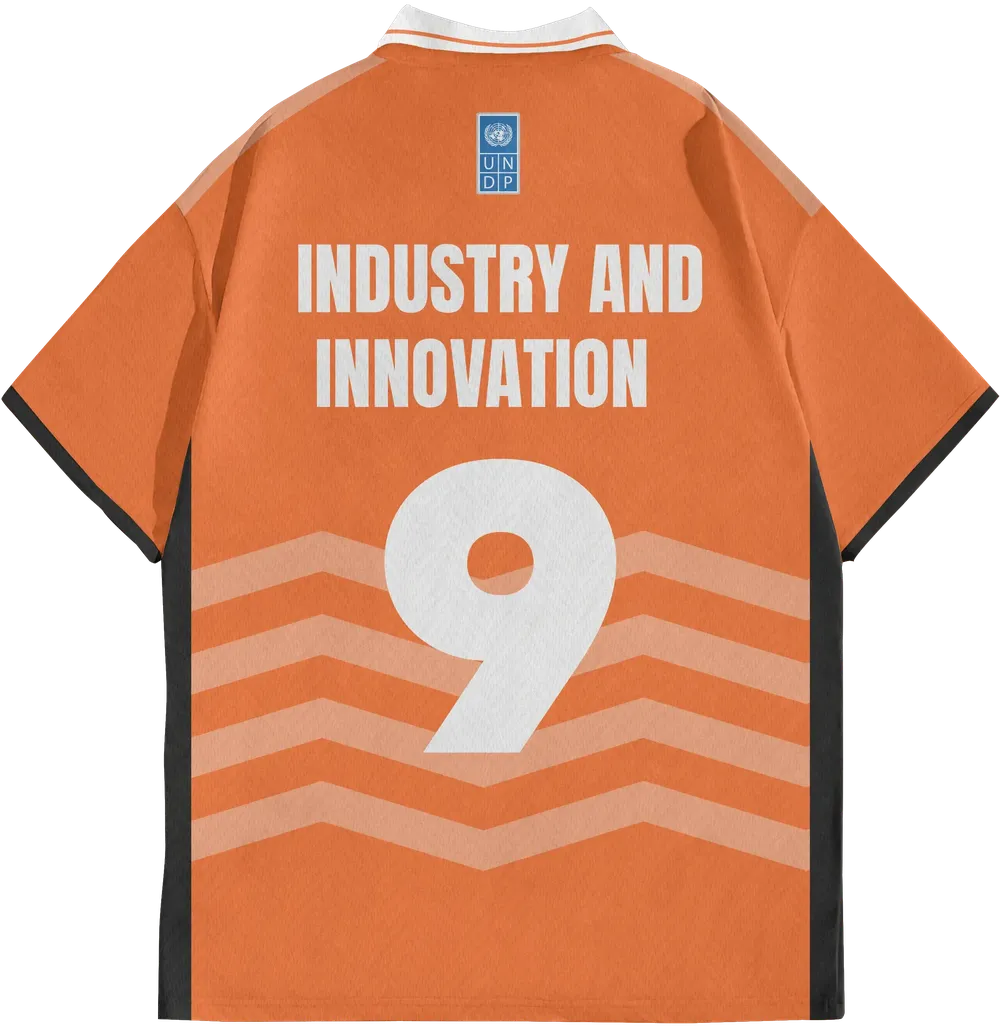
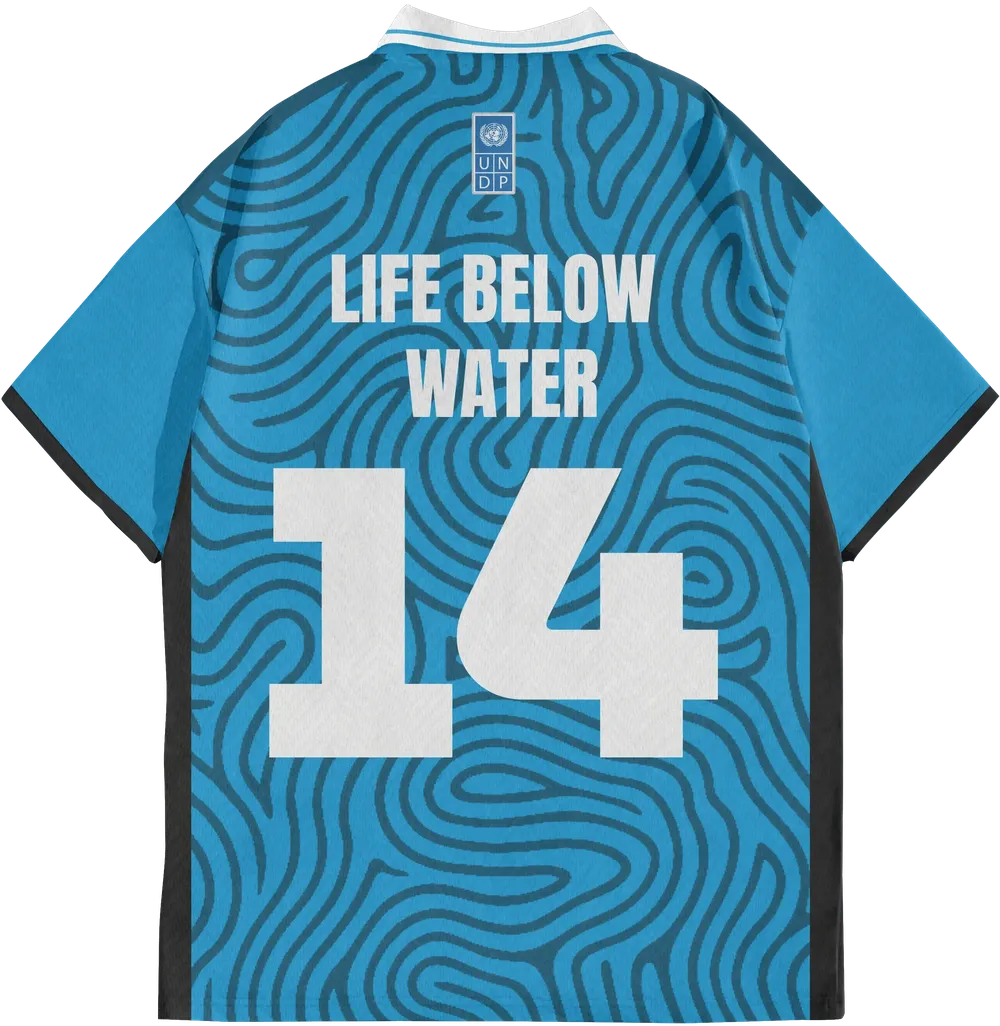
See how team players are scoring on climate action, equality, clean energy and a better future for all of us.
Algeria has reached high human development on the Human Development Index, reflecting long-run progress in health, education and living standards. (UNDP HDI 2025)
Argentina has launched a world-first jaguar protection insurance, helping farmers and one of the Americas' most endangered big cats live side by side.
In Australia, a child starting school today can expect more than 20 years of education, among the highest in the world.
In partnership with First Nation guardians, Australia has launched a multibillion dollar programme to protect the Great Barrier Reef from the effects of climate change by 2050.
Austria generates 80% of its electricity from renewables, mostly hydropower.
Austria's capital, Vienna, has been named the world's most liveable city, topping the global ranking three years running.
Belgium contributes significantly to global climate finance, supporting SDG 13 worldwide.
Belgium has the second lowest gender pay gap in the EU.
Launched in 2026, the Western Balkans Green Youth Biodiversity Network (GYBN) empowers young leaders to advance biodiversity conservation and protect ecosystems across the region.
Through the SDG Business Pioneers initiative, the number of Bosnian companies committed to sustainable business practices grew from 44 to 443 in eight years, helping accelerate private-sector action on the Sustainable Development Goals.
More than 430 public buildings across Bosnia and Herzegovina have been upgraded through one of the country's largest energy efficiency programmes, reducing emissions, cutting energy costs and improving services for citizens.
Bosnia and Herzegovina's Sustainable Tourism Portfolio leverages the country's natural and cultural wealth to create sustainable economic opportunities while preserving nature for future generations.
Through Bosnia and Herzegovina's first Environmental Hotspots Mapping initiative, more than 100 industrial and mining sites have been assessed to identify environmental risks and support healthier communities.
Bosnia and Herzegovina is strengthening climate resilience through improved weather and flood forecasting, enhanced early warning systems, and stronger climate governance.
Bosnia and Herzegovina's first integrated Green Transition Portfolio brings together institutions, businesses, civil society, academia and international partners to accelerate a green and just transition through climate action, clean energy and sustainable development.
Brazil's Bolsa Família, one of the world's most successful anti-poverty programmes, reaches more than 20 million families.
A leader on clean energy, Brazil generates almost 90% of its electricity from renewable sources.
Developed in Brazil, the Municipal Human Development Index (MHDI) helps identify territorial inequalities among municipalities, states, regions and groups, supporting the monitoring of SDG 10 — Reduced Inequalities.
Canada has 16 Oceans Act Marine Protected Areas in its Arctic, Atlantic and Pacific oceans. They comprise over 600,000 km² or roughly 10% of its marine and coastal areas.
In Cape Verde, solar-powered desalination is turning extreme drought and geographic isolation into water resilience, advancing SDG 6.
The conservation and biodiversity field covers 12,004 hectares. On it, we find nature-based solutions to conserve, restore, care for, and win the match against climate change.
Our team has 22 players at the World Cup and a fan base of 3,871 micro-entrepreneurs, empowered through 179 new businesses that are enriching their lives through micro-franchises.
In 2025, UNDP Colombia strengthened 82 public institutions and social organizations that are now implementing better policies for care, food security, and local development.
As the world's top cocoa producer, Côte d'Ivoire focuses heavily on eliminating child labour and implementing sustainable farming standards in its agricultural supply chain.
With 45% native forest coverage, Croatia is one of the most heavily forested nations in Europe.
Curaçao is restoring its coral reefs, protecting one of the Caribbean's richest underwater habitats.
Czechia is one of the world's most peaceful and safest countries, consistently ranked near the top of the Global Peace Index.
DR Congo generates 96% of its electricity from hydro. The country's Inga Dam has the potential to power all of Africa.
DR Congo is home to the world's largest tropical peatland and one of the last forests on Earth that absorbs more carbon than it releases.
Environmental advocates are leveraging the national team's tournament run to draw attention to protecting the Congo Basin forest, which acts as the Earth's second lung for carbon absorption.
Ecuador was the first country in the world to give nature legal rights in its constitution.
Egypt's Benban Solar Park is one of the world's largest solar installations.
Egypt is transforming life in its poorest villages through Decent Life, one of the largest rural development programmes in the world.
England leads the world in offshore wind energy, with the largest capacity of any country.
France aims to become climate neutral by 2050. Presently, 94% of its electricity comes from low carbon sources.
Germany recycles about two thirds of its waste, one of the highest rates in the world.
Germany's Energiewende is one of the world's most ambitious clean energy transition plans, targeting carbon neutrality by 2045.
Ghana's Free Senior High School policy has transformed access to secondary education, eliminating financial barriers.
Ghana has successfully expanded its National Health Insurance Scheme (NHIS) to significantly lower out-of-pocket medical costs for low-income citizens, advancing toward SDG 3.
Between 1960 and 2024, Haiti's life expectancy at birth rose from 43 to 65 years, reflecting steady gains in health care access and quality.
Iran has a 97% literacy rate, one of the highest in the region.
Iraq's groundbreaking Yazidi Survivors Law provides reparations for survivors of the ISIS genocide and aims to prevent future atrocities through systemic change.
Thanks to universal health care, high life expectancies and more people reporting a sense of physical and mental well-being, Japan has achieved SDG 3.
Jordan has made notable progress on gender equality. The removal of institutional barriers has resulted in higher female education attainment and greater access to employment.
97% of Mexicans have access to clean drinking water.
According to Mexico's official multidimensional poverty measure, more than 8 million people moved out of poverty between 2022 and 2024, alongside strong income growth among lower-income households.
Mexico is one of the world's most biodiverse countries, home to around 10% of all known species on Earth.
In 2024, Mexico became the first country in North America to elect a woman as president.
Morocco's Noor Ouarzazate Solar Complex is one of the world's largest solar plants and a key part of its ambition to achieve 52% renewable energy by 2030.
Over the past two decades, the Netherlands has cut power sector emissions by a third, largely due to strong growth in wind and solar energy replacing fossil fuels.
New Zealand was the first country in the world to grant women the right to vote, in 1893.
In 2017, New Zealand was the first country to grant legal rights to a river.
Norway generates 98% of its electricity from renewable energy sources, primarily hydropower.
Panama has 60% forest cover and generates 65% of its electricity from renewables.
Paraguay is one of the few countries to achieve full renewable electricity generation. 100% of its electricity comes from hydropower.
Portugal is a world leader in clean energy, generating 60–80% of its electricity from renewables and aiming to be carbon neutral by 2050.
Qatar is investing US$2.5 billion in solar energy as part of Vision 2030 for sustainability, economic diversification and decarbonization.
South Korea leads in educational achievement. Adult literacy stands at 98.8%, and 71% of young adults (25–34 years) hold a tertiary degree.
Female workforce participation in Saudi Arabia reached 36.3% in 2025, up from just 19.7% in 2018. Ongoing labour market reforms aim to create a more inclusive, diversified economy and to reduce gender gaps.
By 2030 Scotland aims to generate the equivalent of 50% of its energy from renewable sources, and by 2045 it aims to have decarbonized energy almost completely.
Senegal has reduced extreme poverty from 53% in 2011 to 18% in 2021, through a combination of economic growth and targeted social protection programmes.
South Africa's Just Energy Transition Partnership is working to systematically phase out coal dependence while retraining workers for renewable energy industries.
Spain is a world leader in sustainable food production. It has the largest organic agricultural area in the European Union.
Spain has committed to allocate 0.7% of its gross national income to official development assistance by 2030.
Sweden has 46% women in parliament, one of the highest rates in the world.
Switzerland has achieved foundational SDG targets, completely eliminating extreme poverty (SDG 1) and hunger (SDG 2), and providing universally free, high-quality education (SDG 4).
Tunisia has achieved 67–71% of its SDG targets, making it one of the top-performing countries in the Arab and African regions.
Türkiye is scaling up renewable energy to reach net zero emissions by 2053. Renewables already account for around 60% of installed electricity capacity.
Uruguay has near-universal electricity access and generates over 95% of it from renewable sources.
New York City was the first city in the world to report local progress on the Sustainable Development Goals. The city published its Voluntary Local Review in 2018.
Uzbekistan is restoring the Aral Sea. With nearly 1 million saplings planted on 760 hectares of dried sea bottom, it's one of the world's greatest environmental recoveries.
In 2025, Uzbekistan rose 19 positions in the global SDG Index to rank 62nd among 167 countries, making it the fastest-improving performer in Central Asia and Eastern Europe since 2015.
Uzbekistan has significantly improved its global standing in women's economic rights, climbing 43 places to rank 48th out of 190 countries in the World Bank's Women, Business and the Law index.
Uzbekistan has already exceeded its renewable energy target, with renewable sources now accounting for 37% of the country's total installed electricity generation capacity, well above the 25% benchmark.
Uzbekistan has made substantial progress in biodiversity conservation, with protected natural areas now covering approximately 4.47 million hectares, or 14% of the country's territory, providing critical habitats for wildlife and strengthening the country's natural resilience to climate change.
No countries match your filter.
Learn more about the Global Goals and be a game changer by taking action in your community.